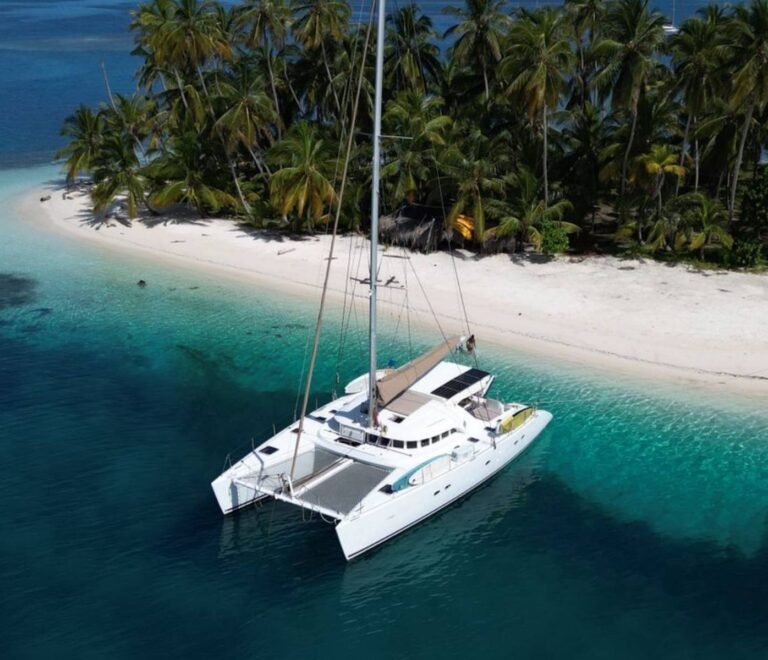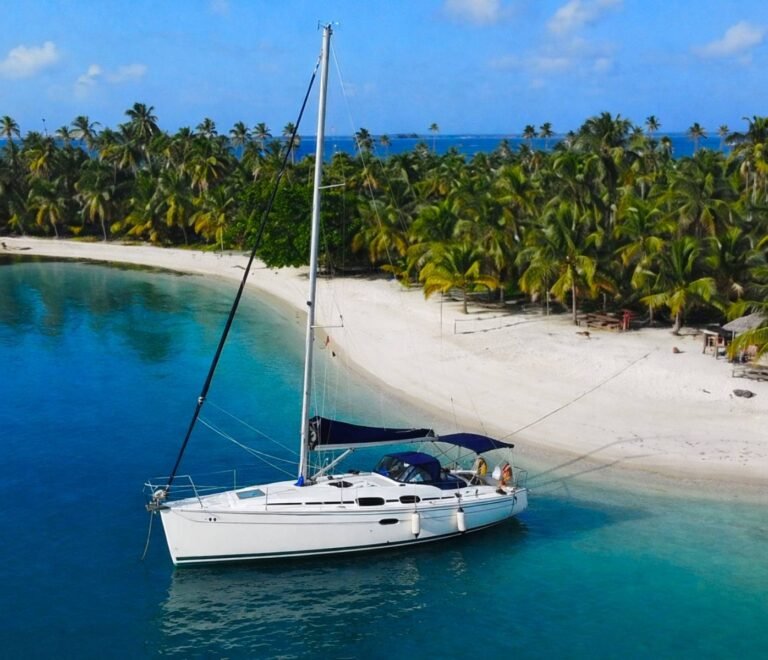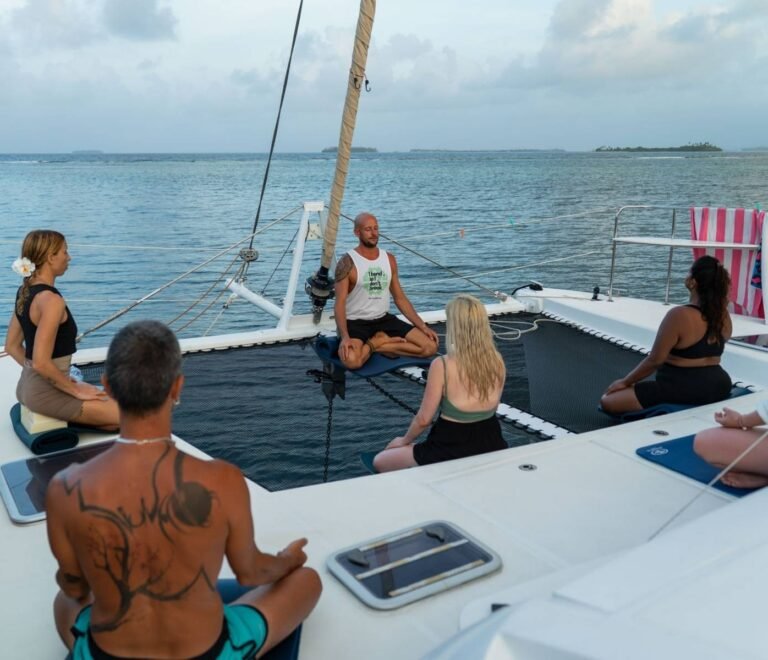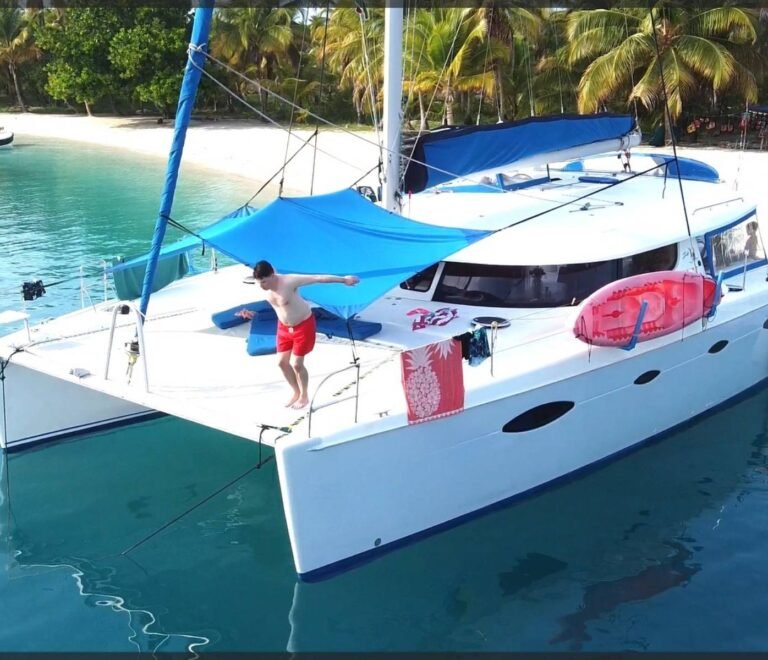
On every website you browse, you will see prices for stays—whether on a catamaran in San Blas, a sailboat, or island cabins—but there are several more details to keep in mind before your trip.
Transportation, entry fees to the Guna Yala Region, entry fees to private islands, souvenirs, island purchases, tips, etc. And most importantly: all of this is paid in cash.
There are no ATMs on the islands. There are no card terminals. There is no Apple Pay or wire transfers. If you arrive with only your credit card, you won’t be able to buy traditional molas or other souvenirs, nor will you be able to pay the community entry fee. That is why it is crucial to know how much cash you need to bring for your stay in San Blas.
Mandatory Expenses — Cash in Hand Before Entering
1. Transportation: 4×4 Truck and Shared Boat
The transfer service is booked separately from the accommodation. The truck picks you up at your hotel or designated location, and you must pay the remaining balance directly to the driver, as previously coordinated with us. Then, a shared boat awaits you at the port to take you to your accommodation in the San Blas Islands.
The total cost of the shared transfer is USD 150 per person, round trip. Generally, 20% is paid upon booking and the remainder in cash to the driver on the day of the trip.
If you want more details on how to get to the San Blas Islands, you can read our article How to Get to San Blas
2. Guna Yala Entry Fee
Upon entering the Guna Yala Region, an entry fee must be paid, whether arriving by road or by plane.
- Cost: USD $20 per person (foreigners) / USD $5 (residents or nationals)
- Where to pay: At the checkpoint on the road before reaching the coast, or at the airport when landing by plane.
- Protocol: The driver stops the vehicle, a Guna official approaches, and you present your original passport along with the cash in hand.
3. Port and Airport Tax
- Port fee: USD $2 per person
- Airport fee if arriving by plane: USD $12 per flight
- Where to pay: Upon arriving at the pier to board the boat.
- This is the fee for using the community pier and airport facilities.
4. Private Island Entry Fees
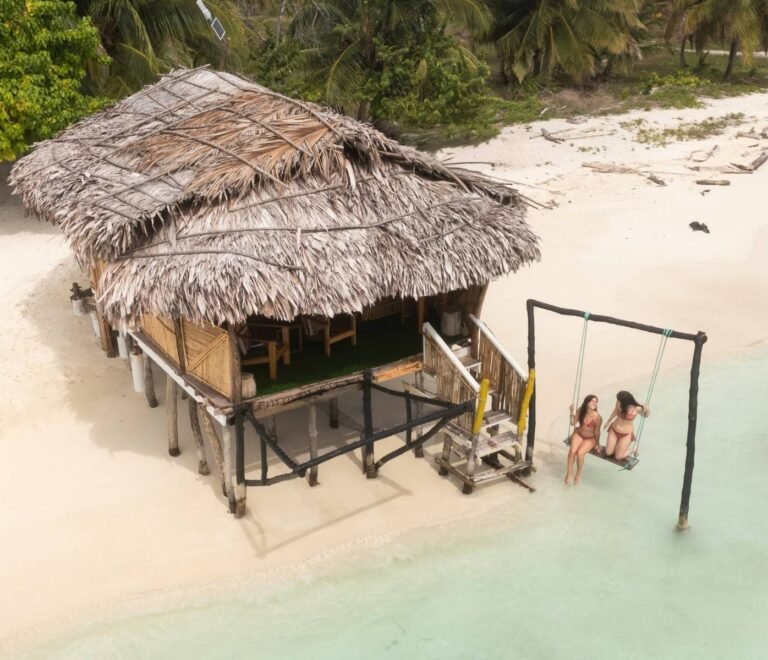
Some islands feature facilities and staff dedicated to cleaning and maintaining the area so you can enjoy services such as restrooms, chairs, a bar, crafts, etc. Every morning, local residents organize and clean the space before your arrival, so you must pay an entry fee per person upon arriving.
Islands that do not offer these services do not charge an entry fee. The captain will indicate which islands require payment. Some vessels include these entry fees in the price of the stay.
- Cost: USD $2–$3 per person
- Where to pay: Upon arriving at the island, to the family who owns the place. The crew will tell you where to pay it.
Optional Expenses — The “Extra Cash”
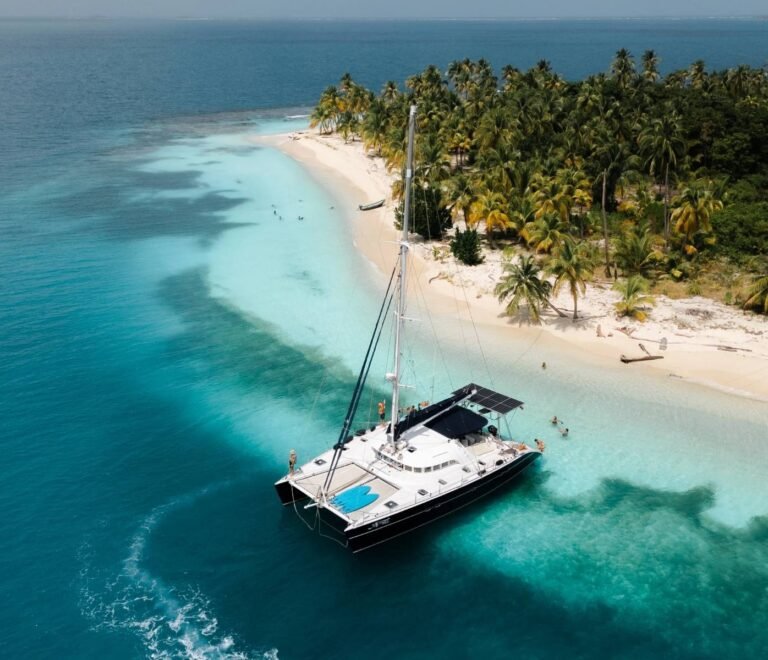
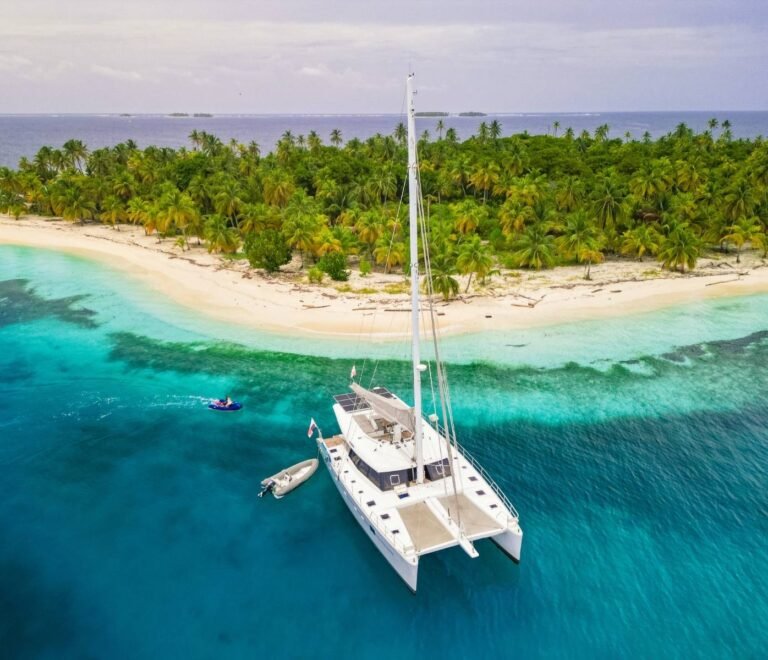
Once on board an all-inclusive catamaran or sailboat, you do not need money for food, drinks, or fuel. Island stays are also all-inclusive, though drinks usually carry an additional cost. Even so, you will want to have cash for the following:
1. Handmade Molas
Suggested budget: USD $20–$100
Guna women approach the boat in their canoes (ulus) to offer their molas, and you can also find family stalls on the islands we visit. Molas are handmade textiles crafted with ancestral techniques—genuine pieces of art. Buying them is the most direct way to support the community.
2. Fresh Coconuts and “Coco Locos”
Budget: USD $2–$5
On some islands, residents sell fresh coconuts straight from the palm tree. A refreshing and nutritious treat, and a way to collaborate directly with the island family.
3. Drinks and Island Purchases
Some islands have facilities where you can buy local beers, cocktails, and snacks like pizzas, fried plantains, and fresh ceviche. You order directly at the bar and pay on the spot.
4. Fresh Seafood Directly from the Fisherman
Most vessels include a meal with fresh lobsters when the stay is at least two nights on board. If you want to secure a lobster menu or repeat it more than once, you can talk to the captain and buy the ingredients directly from the fisherman for the chef to prepare to your liking. For island stays, depending on the selected location, this is a dish with an additional cost that you can request in advance.
5. Tips and Contributions
Both the boat crews and the island host families work hard to make your vacation unforgettable. If you feel they played a part in making your trip special, the best way to thank them is with a tip. It is customary to contribute between 5% and 15% of the total amount paid for the accommodation, though it is always up to your discretion.
Summary: What Does the Stay Cover vs. What Does the Passenger Pay?
What is covered by a boat stay (all-inclusive catamaran or sailboat)
- Catamaran or sailboat with crew
- Fuel
- All meals (breakfast, lunch, snack, and dinner)
- Drinks (beer, wine, sodas, water)
- Use of kayak, paddleboard, snorkeling and fishing gear
What is covered by an island cabin stay
- Private cabin with private or shared bathroom depending on the booked service
- All meals (breakfast, lunch, and dinner)
- Use of kayak, paddleboard, and snorkeling gear (depending on the selected island)
What you pay in cash
- Remaining balance of the booked transportation (land or air)
- Guna Yala Region entry fee (USD $20 per person)
- Port tax (USD $2 per person)
- Airport tax on flight (USD $12 per flight)
- Handicrafts and souvenirs
- Island purchases
- Additional lobster menus (depending on the booked service)
- Tips to the crew or island host family (5%–15%)
5 Practical Tips for Your “Cash Box” in San Blas
- Bring small bills. No USD $50 or $100 bills. Local families rarely have change. Come prepared with USD $1, $5, $10, and $20 bills.
- Waterproof bag for cash and passports. The road can be rainy and boats get wet. A simple Ziploc bag can save your trip.
- Bring an emergency cushion. An extra USD $50–$100 per person above your estimate. It’s better to go home with cash to spare than to run out in the middle of the archipelago.
- Separate the money before traveling. Many guests spend all their cash and have nothing left to thank the crew or the Guna family who went out of their way for your vacation.
- Don’t hold back. You’re already here. You won’t try an island coconut freshly pulled from the palm tree anywhere else. You won’t see the smile of a Guna woman from whom you personally purchase her recently finished work. The lobsters arrive alive, brought by their fishermen when they offer them to you. These are unique pleasures of this destination that you deserve to give yourself, and their cost is minimal compared to everything you invested to get here. Don’t let a lack of cash be a limitation.
Want more tips like these or have any questions about your trip to the San Blas Islands?